Managing Staffing Gaps in 2026: Why Last Year’s Approach Won’t Move Your Agency Forward
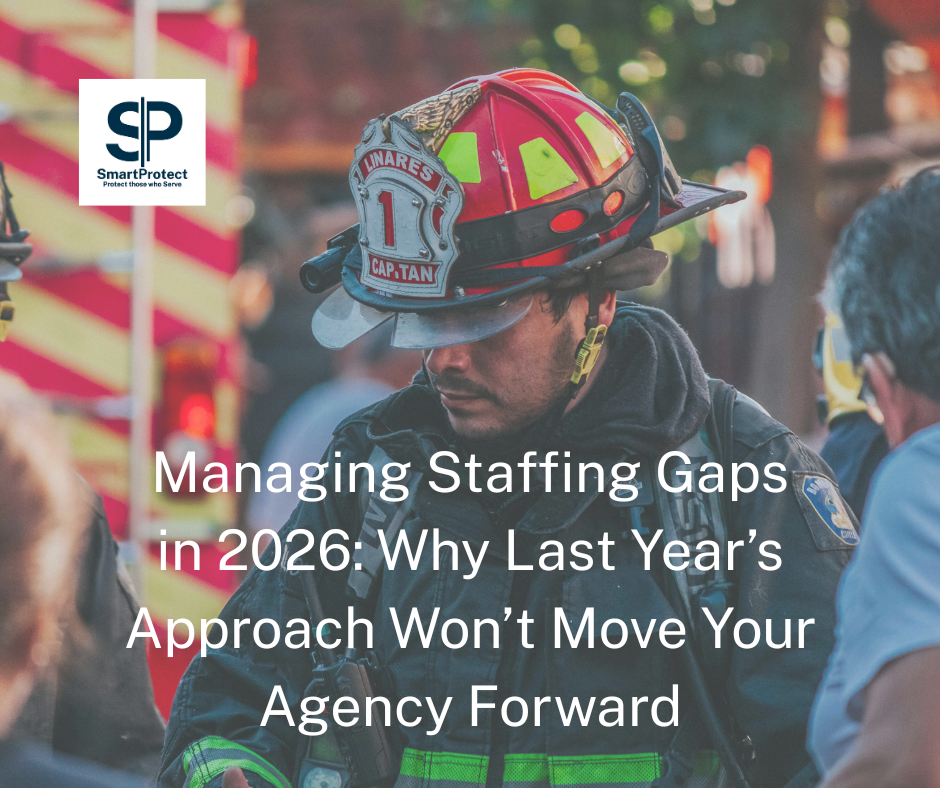
Public safety agencies across the country entered 2025 facing familiar challenges: increased call volumes, rising overtime, and shrinking applicant pools. Many leaders worked hard to manage these pressures, but the truth is clear—approaching staffing gaps in 2026 the same way they were handled in 2025 will not strengthen your operations. The environment you operate in is changing too quickly. Calls are more complex, community expectations are higher, and workforce trends continue to shift. To maintain operational readiness, agencies must evolve how they plan, forecast, and deploy their people.
Here are five practical strategies to improve staffing gaps in the year ahead:
1. Use Data to Forecast More Accurately
Historical call demand, incident timelines, leave usage, and schedule patterns contain valuable insights. When analyzed consistently, these indicators help leaders anticipate shortfalls rather than react to them. Agencies that forecast staffing based on real activity data reduce unnecessary overtime and improve coverage during peak periods.
2. Strengthen Recruitment Pipelines Before Vacancies Open
Waiting until a vacancy occurs creates long gaps in the schedule. Building year-round recruiting efforts—community partnerships, regional academies, paramedic sponsorships, and internal referral programs—helps maintain a steady pool of qualified candidates and reduces the time positions remain unfilled.
3. Improve Retention by Modernizing Workflows
Personnel stay longer when agencies remove unnecessary burdens. Updating outdated scheduling processes, reducing manual workload, using digital forms, and coordinating leave planning more efficiently create a smoother daily experience that makes employees more likely to stay.
4. Invest in Smarter Coverage Planning
Cross-training, alternate shift models, and flexible staffing options help agencies stretch their available resources without compromising service. Fire, EMS, law enforcement, and communications centers can all benefit from structured plans that map where and when coverage is most vulnerable.
5. Integrate Technology That Simplifies Command Decision-Making
Modern platforms can turn CAD activity, workforce data, and schedule information into clear insights. Leaders who rely on real-time metrics have a stronger understanding of their staffing posture and can make decisions that protect their teams and the community.
The Bottom Line
2026 will bring challenges, but it will also bring opportunities. Agencies that rethink how they monitor, forecast, and manage staffing will be better prepared for what lies ahead. Upgrading processes today strengthens readiness tomorrow—and ensures your team has the support they need to meet their mission.